Art as Therapy
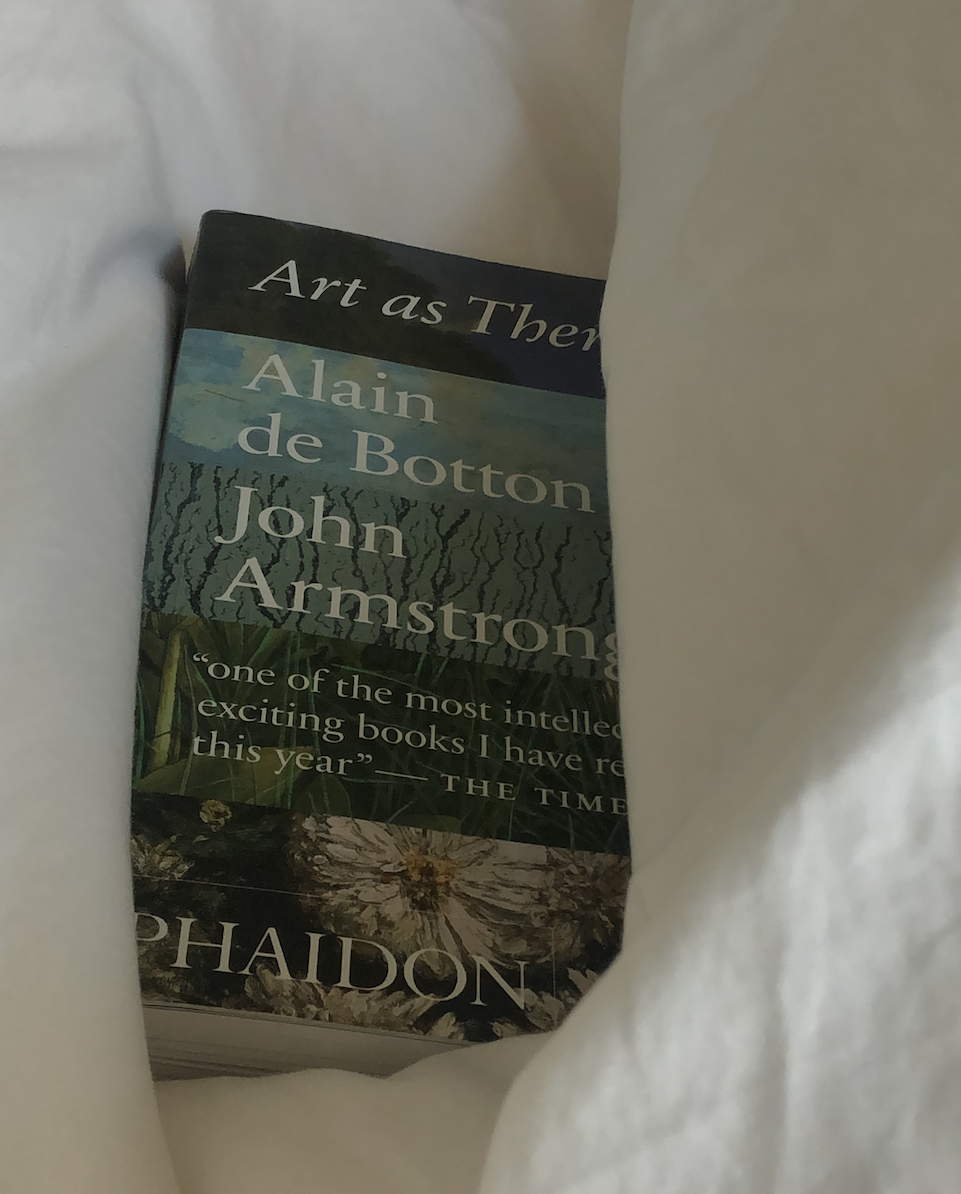
Art as Therapy is written by thinker and writer, Alain de Botton, in collaboration with philosopher and art theorist John Armstrong. The book explores how art (including design, architecture, and craft) has the power to help guide us so we can become better versions of ourselves.
It was the first book I picked up since quarantine. Though I don't find reading the funnest activity to do, I still had such a wonderful time flipping through the pages of this book. The text was thought-provoking, passionate, and really helped me to appreciate art in another light, aside from determining its prettiness. Those questions that fill my mind when taking a stroll in the Tate Modern are answered, and those artworks that I long love — I see them differently through the veil of De Botton’s ideas. Art as Therapy spins my thoughts and feelings about art afresh.
I think this is such a great and worth-your-time read for anyone and everyone, whether you have dull times at museums, don’t understand art whatsoever, enjoy the occasional excursion to the gallery, or are total art-lovers — everyone will learn something new. I promise.
The book is divided into 4 chapters that cover art in relation to love, nature, money, and politics. In addition to that, the pages are beautifully designed with many many visuals.
Let’s take a look at 2 artworks and see if we can use them in a therapeutic manner.
I’m sure that for the most of us, our inner moods might look something like Cy Twombly’s Panorama…
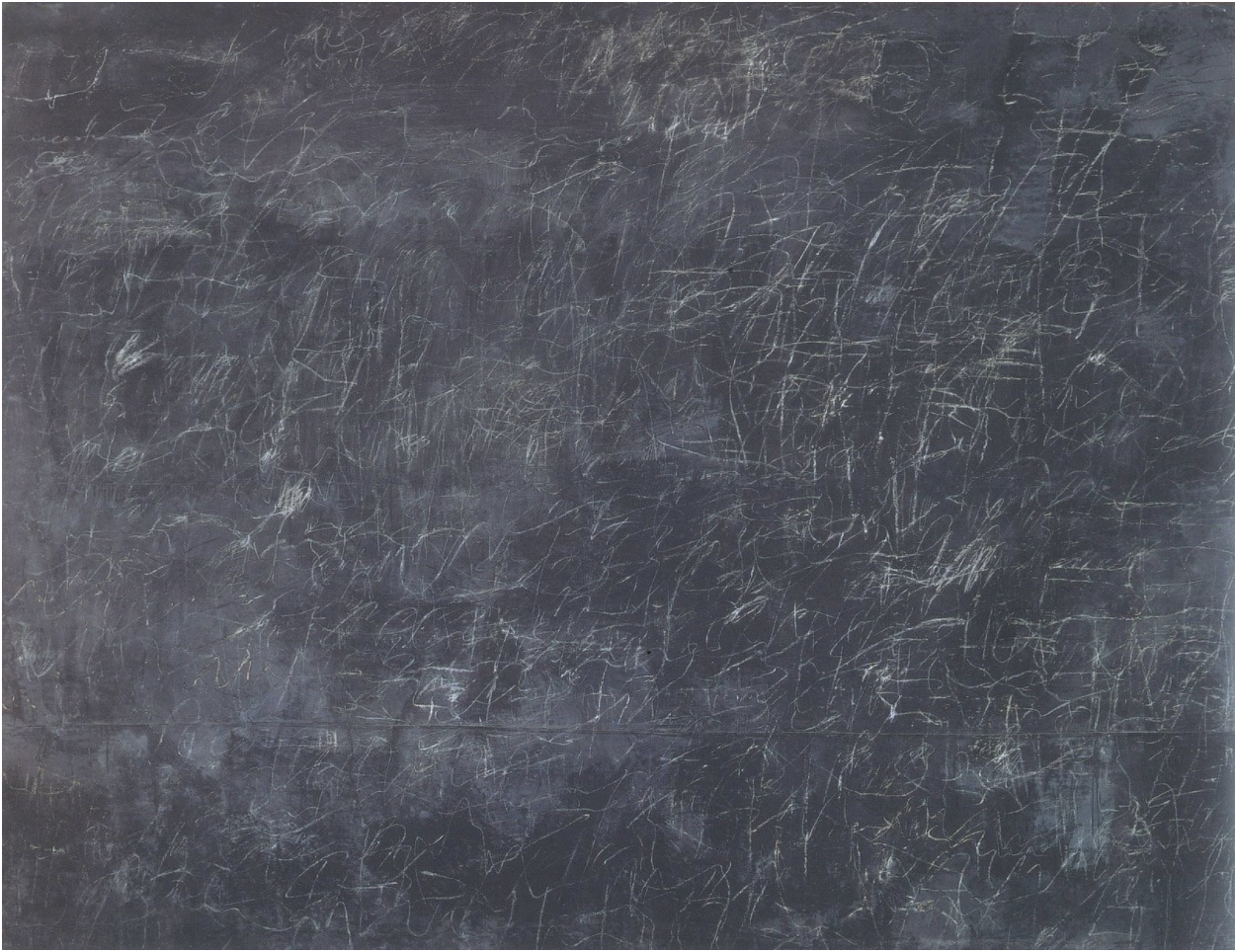
Though it only looks like scribbles on a blackboard, can we turn those scribbles into scribbles of thoughts and ideas in our minds? And the clouds of chalk to clouds of doubt? It acts like a mirror reflecting our messy minds of constant self-dialogue. I think it gets us thinking about recognising self-reflection and the importance of it.
“It’s a strange thought, that personal identity and qualities of mind and character can be discovered not only in people, but also in objects, landscapes, jars or boxes.” (pg. 40)
Another artwork that Alain de Botton touched on is Henri Matisse’s Dance.
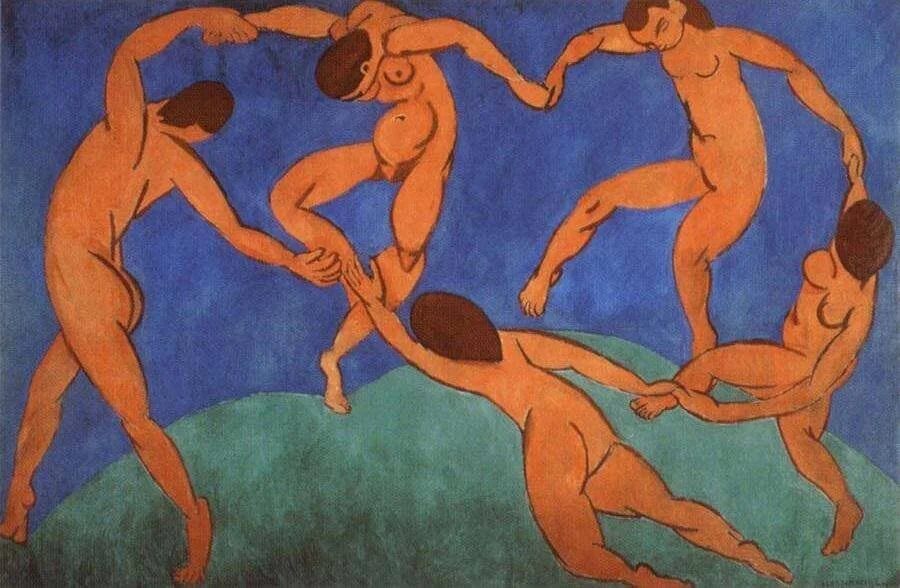
Maybe, this is what hope looks like.
“The dancers in Matisse’s painting are not in denial of the troubles of this planet, but from the standpoint of our imperfect and conflicted — but ordinary — relationship with reality, we can look to their attitude for encouragement.” (pg. 13)
We can look to this painting for a sense of hope and encouragement, especially given the current pandemic. Though we’re isolated from the rest of the world, it, too, encourages us to hold on and to support one another as we walk through these uncertain times.
A few excerpts to close with —
“The agenda for art in a liberal society would be to assist the individual soul in its search for consolation, self-understanding and fulfilment. [...] Artworks would look to commemorate, give hope, echo and dignify suffering, rebalance and guide, assist self-knowledge and communication, expand horizons and inspire appreciation.” (pg. 69)
“We need to move beyond thinking of an artist as someone at an easel.” (pg. 151)
This text is out of the topic of art as therapy, but it did really speak to me…
“A healthy relationship to one’s idols involves a sense that one might one day, after suitable respectful study, outgrow them, rather than merely pay lifelong, uncreative homage to them.” (pg. 179)
— Solaia